Death in Darkness and Graves Without Markers
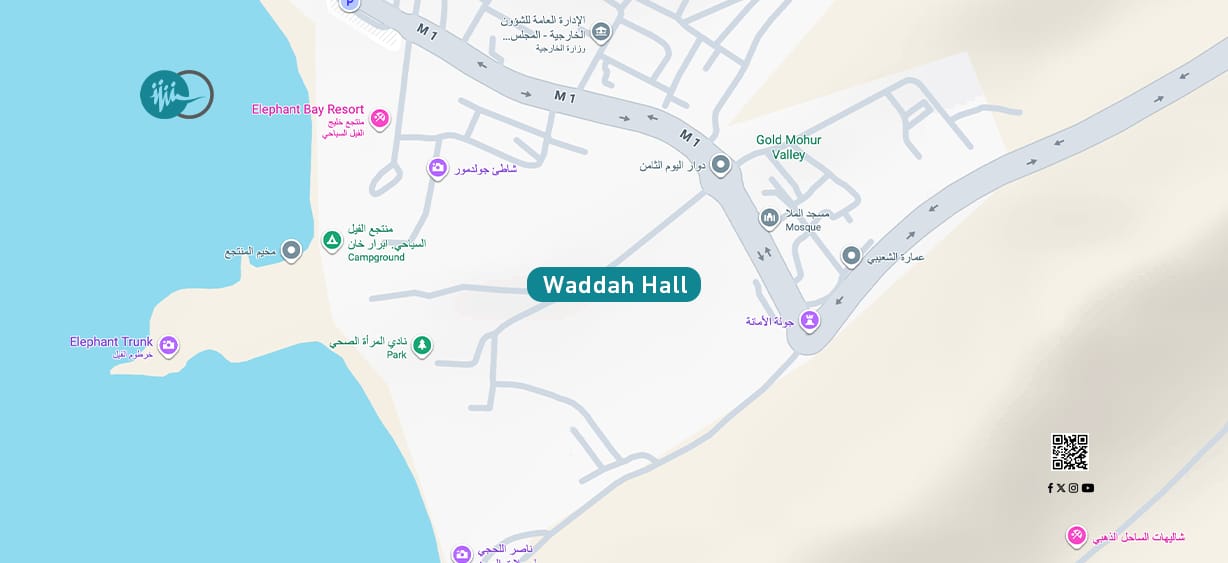
In Aden Governorate—specifically in the GoldMoor area of Al-Tawahi District—lies one of the most terrifying and abusive unofficial places of detention in Yemen during the years of the recent conflict: the facility known as “Waddah Hall.” Affiliated with the formations of the UAE-backed Southern Transitional Council, this site has been linked to a wide range of grave violations, including arbitrary detention, enforced disappearance, torture, and extrajudicial killing. As such, it has become a symbol of serious abuses committed far from any form of judicial oversight or legal accountability.
The unofficial detention center known as “Waddah Hall” is located within the Counter-Terrorism Camp, in a mountainous area near several key security and military headquarters, including facilities affiliated with the Southern Transitional Council, from which it is only a few kilometers away. This relatively isolated and heavily secured location created an ideal environment for converting the building into a closed detention site, beyond the reach of the judiciary or public scrutiny.
The name “Waddah Hall” derives from the fact that the building was originally a hall used for events and celebrations, before it was seized and converted into an unofficial detention center in 2016, following the recapture of Aden from the control of Ansar Allah Armed Group (Houthis) and the stabilization of security forces supported by the Saudi/UAE-led Coalition in the city. With the rise of the Security Belt forces and the formation of Counter-Terrorism units affiliated with the Southern Transitional Council, the hall was transformed into a military barracks and an unofficial detention center used for interrogation, detention, enforced disappearance, and the practice of torture. According to multiple testimonies, serious violations occurred there, in some cases reaching the level of killing.
The detention center consists of two underground halls and a number of rooms that were used as solitary confinement cells, under harsh detention conditions. The site is not subject to any form of official judicial or administrative oversight; the Public Prosecution and the judiciary exercise no authority over it, and there are no official records documenting the names of detainees or the duration of their detention.
Mwatana for Human Rights documented the detention of at least 51 victims at Waddah Hall, including at least 21 victims who were subjected to severe forms of physical and psychological torture. Mwatana also documented no fewer than 37 cases of prolonged enforced disappearance involving detainees who were transferred to this center, some of whom remain of unknown fate as of the date of publication of this blog.
In cases documented by Mwatana for Human Rights, based on testimonies from a number of former detainees at “Waddah Hall,” several detainees who died inside the facility were reportedly buried within the compound of the hall, instead of transferring their bodies outside or handing them over to their families. These accounts indicate the possible existence of mass graves within the vicinity of Waddah Hall, raising grave concerns about the concealment of evidence of serious violations. This situation calls for an independent and comprehensive investigation to uncover the truth, determine the fate of the victims, and ensure accountability.
Mwatana for Human Rights calls for the immediate closure of the unofficial place of detention at “Waddah Hall” in Aden; the disclosure of the fate of those forcibly disappeared; the release of all those arbitrarily detained; an end to all forms of detention outside the framework of the law; the subjection of all prisons and places of detention to the authority of the Public Prosecution and the judiciary; the accountability of those in charge of the center and those involved in committing the various violations therein; the provision of redress and reparations to victims; and guarantees of non-recurrence of such violations.