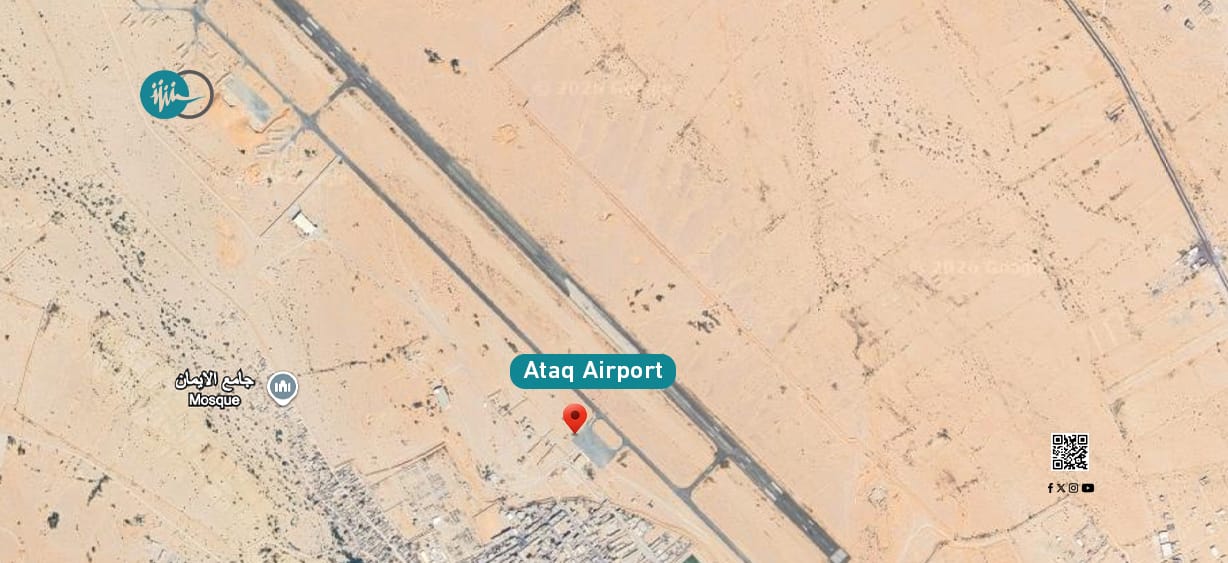
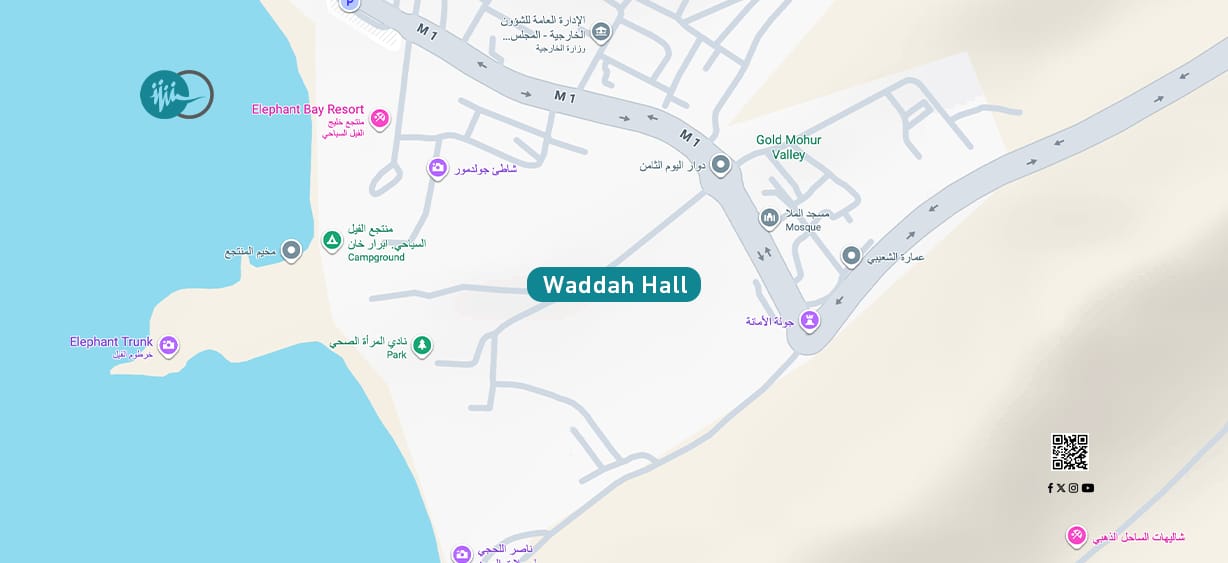
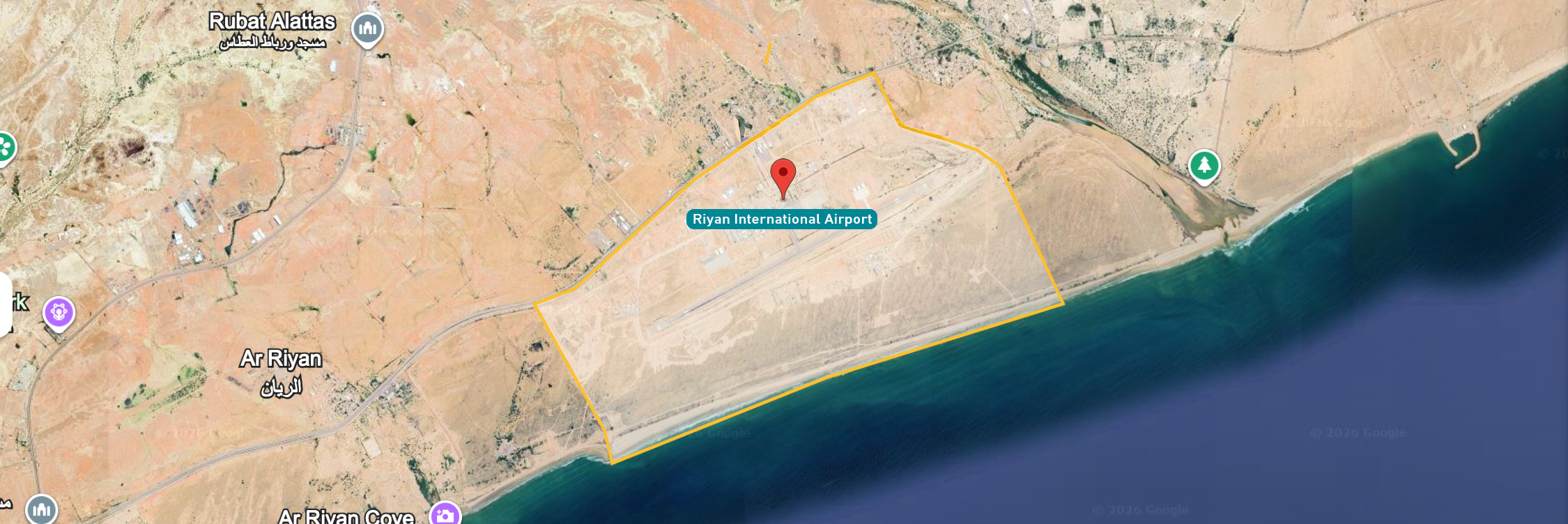
Since the outbreak of the conflict in 2014, incidents of arbitrary detention, enforced disappearance, and torture—perpetrated by all parties—have constituted some of the gravest violations suffered by thousands of women and men across Yemen. These violations are among the most prominent abuses that parties have continued to commit at a high rate, even amid the suspension of military operations following the announcement of the nationwide truce on April 2, 2022. In addition to their use of an extensive network of official places of detention, the various parties have established dozens of unofficial detention facilities. These include residential buildings, private bathrooms, schools, hospitals, airports, ports, and civilian and military government facilities, among others. Throughout the years of war, networks of military and security armed formations affiliated with the parties have detained thousands of women and men in unofficial places of detention across all governorates. The duration of detention has varied from case to case, ranging from hours, days, weeks, and months, and in thousands of cases extending to years. To this day, thousands of victims remain subjected to enforced disappearance and arbitrary detention. Instead of responding to the calls of victims and their families, and to the demands of human rights organizations to close unofficial places of detention, release those arbitrarily detained and forcibly disappeared, and take serious steps toward institutional reform, rebuilding law enforcement structures, and strengthening the authority of the Public Prosecution and the judiciary, the parties have colluded in normalizing the control of multiple de facto authority formations. This has come at the expense of the rights of thousands of victims, their families, and communities, as well as the broader project of a state governed by the rule of law and justice. Unofficial places of detention raise particular concern as they are not subject to the supervision or oversight of the Public Prosecution and the judiciary, nor are they bound by legal safeguards. They constitute an environment conducive to human rights violations, exposing individuals to enforced disappearance, arbitrary detention, torture, and other forms of cruel, inhuman, or degrading treatment. This occurs in the absence of governing laws, regulations, policies, and procedures; internal institutional oversight, inspection, accountability, and governance mechanisms; effective complaint and reporting mechanisms; and accurate, reliable records. Access for independent monitors, families, and lawyers is typically limited or entirely denied. In addition to their illegality and the serious violations committed within them, the network of unofficial detention centers consistently fails to meet the minimum international and national standards related to the physical environment and basic services required in places of detention. As such, they are inhumane, overcrowded, and unhygienic, lacking clean toilets or sufficient bathing facilities for detainees. They do not meet basic standards of cleanliness, ventilation, or adequate lighting during the day or night, nor do they provide water and electricity services. In most cases, detainees are denied mattresses and blankets, and personal hygiene items such as soap and shaving tools are provided only in extremely rare instances. In light of the suffering endured by thousands of victims and their families, Mwatana for Human Rights dedicates this open file to shedding light on unofficial places of detention across various regions of Yemen, with the aim of contributing to their closure, securing the release of those forcibly disappeared and arbitrarily detained within them, and strengthening the rule of law and justice. Mwatana welcomes all reports, complaints, observations, and additional information from interested individuals regarding unofficial places of detention and incidents of enforced disappearance and arbitrary detention.

.png)